-1.png?w=800&h=800)
A Practical Guide for Startups (MOQ 30–300)
Starting a new bag brand is exciting, but one of the biggest early challenges is finding the right manufacturer.
Many factories focus on large production orders, which can make it difficult for small brands to get started. But the good news is that today there are more flexible manufacturers willing to support smaller MOQ production.
The key is knowing how to find them and how to evaluate them properly.
Where Small Brands Usually Find Bag Manufacturers
Most startup brands discover manufacturers through a few common channels.
Searching terms like:
-
small MOQ bag manufacturer
-
custom handbag manufacturer
-
private label bag manufacturer
can help brands find factories that already work with smaller orders.
Factory blogs and product pages can also provide useful insight into their capabilities.
LinkedIn is increasingly used for sourcing. Many factory representatives and sales managers are active there.
For small brands, LinkedIn can be a good way to start a direct conversation with a manufacturer and explain your project.
B2B Platforms: Useful but Require Careful Screening
Many startup brands initially search for manufacturers on B2B platforms such as Alibaba.
These platforms make it easy to discover a large number of suppliers quickly, and they can be helpful for exploring product ideas or understanding price ranges.
However, brands should be aware that suppliers on large marketplaces are not always direct manufacturers.
In many cases, listings may include:
-
trading companies
-
sourcing agents
-
intermediaries representing multiple factories
For small brands, this can sometimes create challenges such as:
-
limited transparency about where the bags are actually produced
-
slower communication with the real production team
-
less control over sampling and quality management
Because of this, when using sourcing platforms, it is important to carefully verify whether the supplier is a real manufacturer and not only a trading intermediary.
How to Screen a Bag Manufacturer
Once you have identified several potential suppliers, the next step is screening them carefully.
This step is extremely important, especially for small brands with limited development budgets.
1. Check the Minimum Order Quantity (MOQ)
Many manufacturers have minimum order quantities that are too high for startup brands.
If your expected order size is between 30 and 300 pieces, it’s important to confirm early whether the factory can support that range.
Factories that regularly work with small brands usually have more flexible development processes.
Why this matters
Choosing a factory with a suitable MOQ helps avoid unnecessary negotiation and saves time during the early stages of brand development.
2. Evaluate Communication Speed
For small brands, communication is often more important than production scale.
Pay attention to:
-
how quickly the supplier replies
-
how clearly they answer questions
-
whether they provide suggestions during development
A responsive manufacturer usually indicates a more supportive working relationship.
Why this matters
Small brands often go through multiple design adjustments, so clear communication can significantly reduce development time.
3. Ask About Sampling Process
Sampling is where most new brand projects begin.
Important questions include:
-
How long does sampling take?
-
What is the sample cost?
-
Can the factory help source materials?
Some manufacturers also allow revisions before finalizing a design.
Why this matters
A smooth sampling process helps brands refine their products before committing to production.
4. Look at Similar Products
Instead of only reviewing catalog images, ask to see bags that are similar to your design.
For example:
-
similar structure
-
similar materials
-
similar hardware
This helps confirm whether the manufacturer has experience producing that type of bag.
Why this matters
Factories with relevant experience can usually produce better samples and avoid common development mistakes.
5. Understand Production Transparency
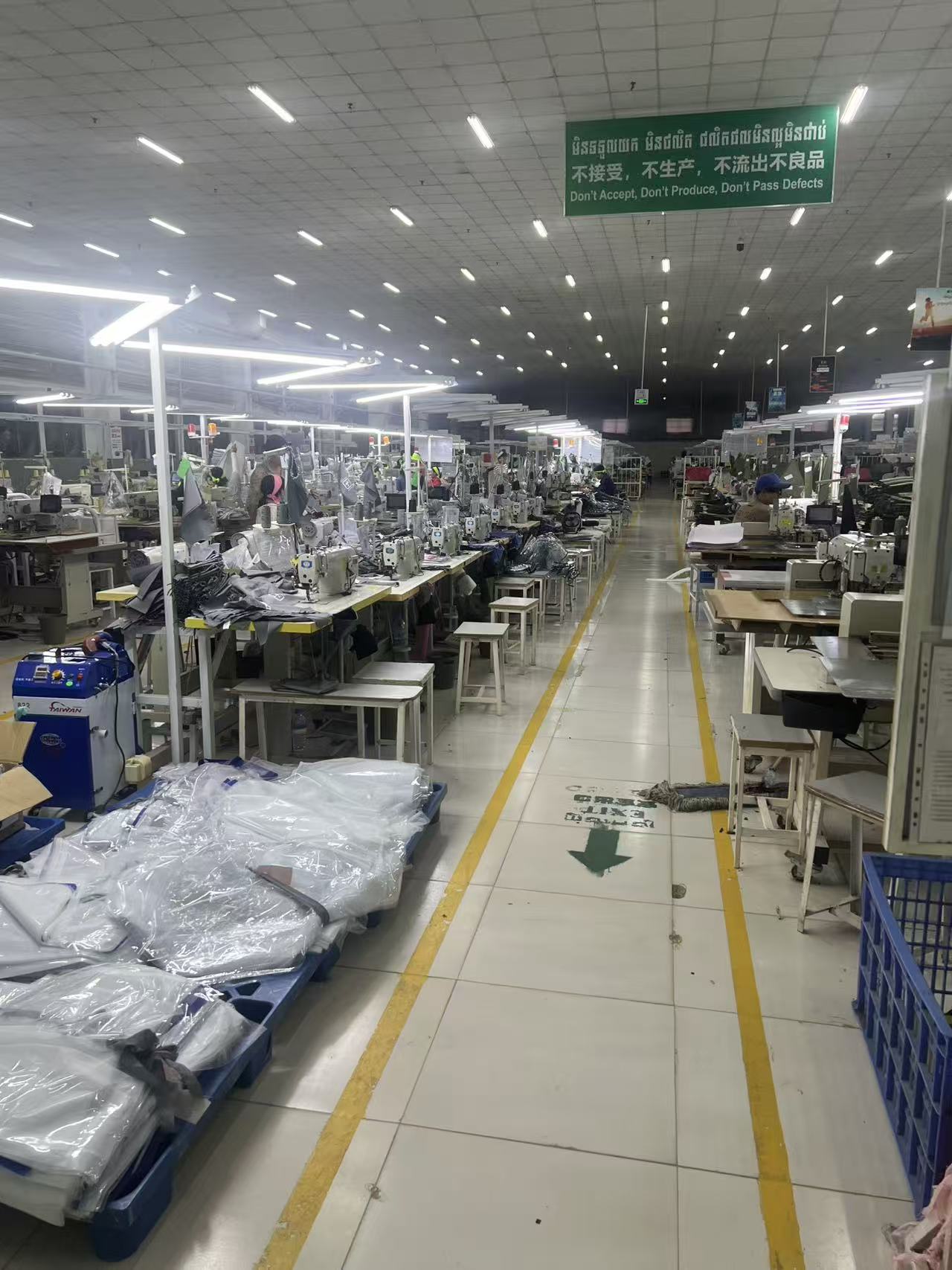
It’s helpful to understand how the factory organizes production.
Some processes may be done in-house, while others may involve specialized workshops.
This is a normal part of modern manufacturing, but brands should understand how quality control is managed.
Why this matters
Clear communication about production helps ensure consistency between samples and bulk orders.
Common Mistakes Small Brands Make
When searching for a manufacturer, many startups make a few common mistakes.
Choosing only based on price
The lowest price does not always mean the best option. Reliability and communication are often more important.
Skipping sample testing
Rushing into production without properly reviewing samples can lead to costly quality problems later.
Working with factories that ignore small brands
Some large factories prioritize high-volume clients, which can make smaller orders difficult to manage.
Final Thoughts
Finding the right bag manufacturer takes time, especially for new brands working with smaller order quantities.
But with the right screening process, it is possible to find manufacturers that support startups and offer flexible production.
The most successful brand–manufacturer partnerships are built on clear communication, realistic expectations, and mutual growth.
For many small brands, the right manufacturing partner is not necessarily the biggest factory — but the one that understands how to support smaller projects as they grow.