-1.png?w=800&h=800)
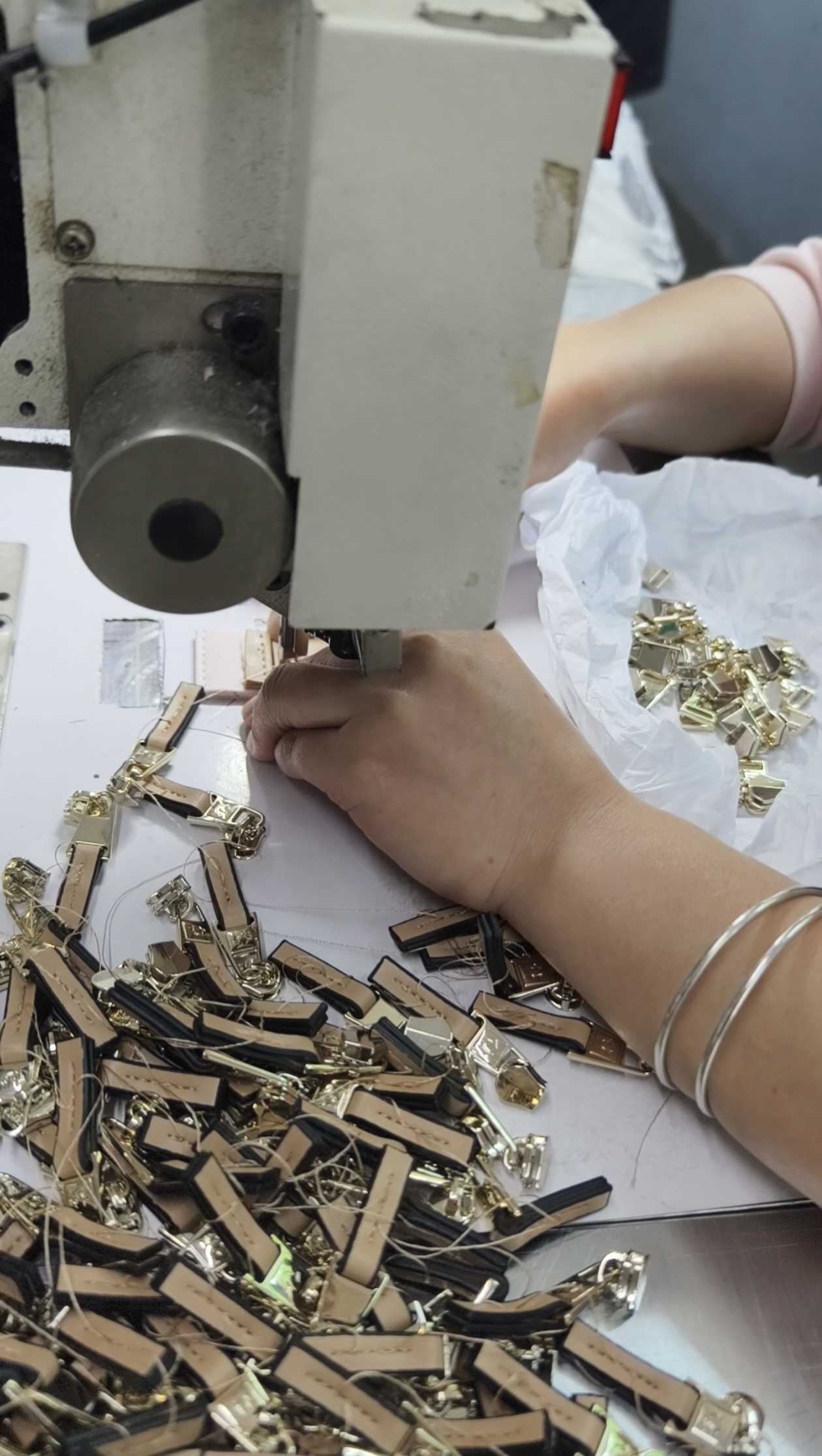
After nearly 20 years in handbag manufacturing, one thing has become increasingly clear to us:
The most valuable thing a supplier can offer a brand is not simply a competitive price — it’s transparency.
Today’s handbag supply chain is more complex than ever. Rising raw material costs, global geopolitical uncertainty, and multi-layer manufacturing networks mean that brands depend heavily on their suppliers for clear and honest communication.
And recently, many brands have started asking the same question:
Why are so many suppliers updating their prices lately?
To understand this, we need to look further upstream in the supply chain.
Why Many Suppliers Are Updating Prices Recently
In recent months, geopolitical tensions in the Middle East have pushed global oil prices upward. While oil is often associated with transportation and energy, its impact goes much deeper into manufacturing.
Many materials used in handbag production are closely linked to petroleum-based industries.
For example:
-
PU / vegan leather is derived from petrochemical materials
-
many adhesives, coatings, and synthetic reinforcements rely on chemical inputs
-
plastics and structural materials used inside bags are oil-dependent
When oil prices increase, these materials often follow.
In addition, higher fuel prices also increase logistics and transportation costs, affecting shipping, material sourcing, and overall manufacturing expenses.
This chain reaction is one of the main reasons why many manufacturers have had to adjust their quotations recently.
It is not simply a factory decision — it is a reflection of changes happening upstream in the global supply chain.
Material Costs Are Rising Across the Industry
Beyond energy prices, several key components used in handbags have also experienced noticeable cost pressure.
One clear example is metal hardware.
Hardware components such as:
-
chains
-
buckles
-
magnetic closures
-
logo plates
have seen price increases of roughly around 10% in many cases, largely due to rising metal costs and plating expenses.
At the same time, leather and synthetic materials have also faced gradual price increases due to environmental regulations, chemical processing costs, and raw material supply fluctuations.
Since materials typically account for 30–40% of a handbag’s total production cost, even moderate increases can affect the final manufacturing price.
For brands planning seasonal collections, this makes cost planning significantly more challenging than before.
The Hidden Layer of the Supply Chain: Subcontracting
Another aspect of bag manufacturing that is rarely discussed openly is production subcontracting.
In China, this practice is commonly referred to as “外发”.
For many international buyers, this can come as a surprise. They assume production happens entirely inside a single factory.
In reality, modern manufacturing often operates as a network of specialized suppliers.
Industry research suggests that a significant portion of apparel and accessories production in China involves some level of subcontracting, whether for specialized processes or capacity support.
Common outsourced processes in handbag manufacturing include:
-
embroidery
-
edge painting
-
metal polishing
-
specialized stitching
-
printing or decoration
This system exists because China’s manufacturing ecosystem is highly specialized. Many small workshops focus on perfecting one specific process.
Even in luxury manufacturing regions such as Italy, similar production networks exist.
So subcontracting itself is not unusual.
Why Subcontracting Happens
From a manufacturing perspective, subcontracting usually occurs for practical reasons.
1. Specialized craftsmanship
Some production processes require equipment or expertise that smaller specialized workshops handle more efficiently.
Rather than building every capability in-house, factories may collaborate with partners who focus on those processes.
2. Production flexibility
Fashion orders often come with tight delivery windows.
Subcontracting can help manufacturers temporarily expand capacity during peak seasons.
Without this flexibility, many brands would face significantly longer lead times.
3. Cost pressure in global sourcing
Global fashion sourcing is highly competitive.
Some suppliers subcontract part of the production process to maintain competitive pricing, especially when margins are tight.
The Real Problem: Hidden Subcontracting
Subcontracting itself is not necessarily the issue.
The real problem occurs when subcontracting is hidden from the brand.
When production is moved to unapproved workshops without communication, several risks can arise:
-
inconsistent product quality
-
unknown working conditions
-
missing compliance documentation
-
potential intellectual property exposure
In these cases, the brand may believe their bags are produced in one factory, while parts of the process occur somewhere else entirely.
This is one of the main reasons transparency from manufacturers is so important.
What Transparent Manufacturing Looks Like
A transparent handbag manufacturer should communicate openly about how production is actually organized.
This includes:
-
which processes are done in-house
-
which processes may involve specialized partners
-
how quality control is managed across facilities
Responsible manufacturers ensure that:
-
brands are informed before any external production occurs
-
subcontractors follow the same quality standards
-
material traceability and documentation remain consistent
When managed transparently, subcontracting becomes a controlled and reliable part of the supply chain, rather than a hidden risk.
China’s Role in the Global Handbag Industry
Understanding transparency is particularly important when sourcing from China, because the country remains the largest handbag manufacturing hub in the world.
China produces a significant share of the world’s bags and luggage products each year, supported by strong industrial clusters in regions such as:
-
Guangdong
-
Zhejiang
-
Hebei
These clusters create highly efficient supply chains where materials, hardware suppliers, packaging producers, and specialized workshops are all located within close proximity.
This ecosystem is one of the reasons China continues to dominate global bag manufacturing.
But it also means that production often involves multiple interconnected suppliers, which makes transparency even more important for international brands.
Why Transparency Is Becoming a Competitive Advantage
As global supply chains become more complex and raw material prices fluctuate more frequently, the role of manufacturers is evolving.
Factories are no longer just production facilities.
They are supply chain partners.
Brands that work with transparent manufacturers gain several advantages:
-
clearer visibility into cost changes
-
fewer surprises during production
-
better product consistency
-
lower sourcing risk
Final Thoughts
After nearly two decades in handbag manufacturing, we believe that transparency is one of the most underrated factors in successful brand–supplier relationships.
Material prices will continue to fluctuate.
Global events will continue to influence supply chains.
And production networks will remain complex.
But when manufacturers communicate openly about how things actually work — from raw material costs to subcontracting practices — brands can make better decisions and build stronger, more resilient supply chains.
In today’s market, transparency is no longer optional.
It is a key advantage.